3 Floral Frames: A Designer's Real-World Embroidery Review
When I first opened the 3 Floral Frames package, my immediate reaction wasn't about the file formats or the technical specs. It was about the mood. There is a distinct difference between a design that looks good on a screen and one that actually holds up when transferred to fabric. As someone who has spent years reviewing embroidery files for everything from boutique branding to custom baby gifts, I look for that specific balance of elegance and structural integrity. This collection delivers exactly that.
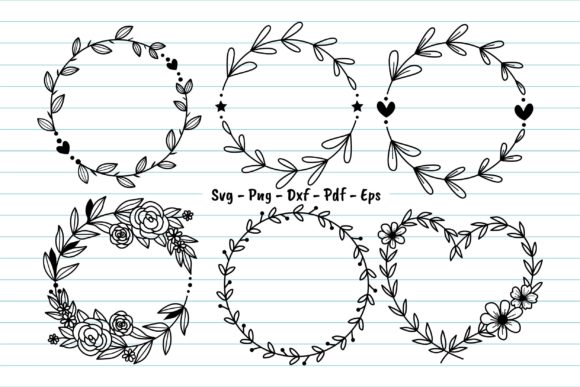
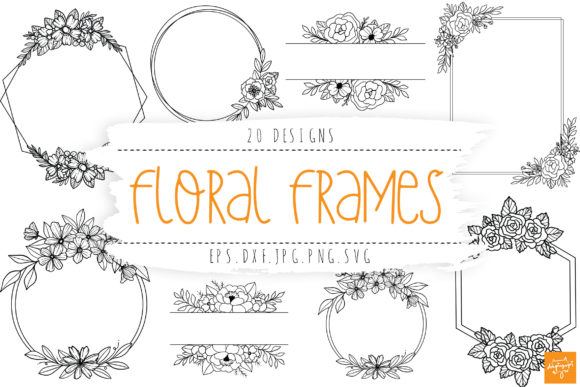
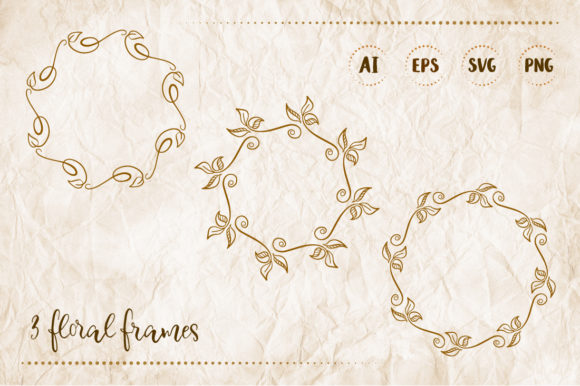
The concept is simple yet sophisticated: three variations of floral frames designed to encircle text or stand alone as decorative accents. They feel right at home in the world of wedding invitations, greeting cards, and personalized monograms. But do they translate well to physical products? That is the question every Etsy seller, craft business owner, and apparel decorator needs to answer before hitting the stitch button. In this review, I am putting these designs through the wringer of real-world application to see if they deserve a spot in your digital library.
First Impressions and Design Personality
The visual personality of 3 Floral Frames is understated but impactful. Unlike heavy, baroque-style borders that can overwhelm a small hoop, these designs breathe. The lines are clean, and the floral elements are stylized enough to remain clear even when stitched with standard thread counts. When you place them into a mockup, they immediately elevate the perceived value of the item. Whether it is a tea towel, a tote bag, or a nursery pillow, the frame adds a layer of professionalism that suggests care and attention to detail.
For a designer looking to create a cohesive brand identity, the consistency across the three variations is a major plus. You can mix and match them depending on the occasion without breaking the visual flow. The layout naturally draws the eye inward, making it an ideal choice for monograms where the lettering needs to be the focal point. However, because they are essentially graphics turned into stitches, understanding their limitations is crucial for a successful finished product.
Real-World Application: From Screen to Stitch
Let me walk you through a scenario I encountered recently while preparing a holiday gift line for a local boutique. The client wanted embroidered aprons for her kitchen staff, featuring a subtle floral border around the chest pocket area. She had seen 3 Floral Frames online and thought it would add a touch of charm to the workwear. We selected the most open variation of the frame to ensure it didn't crowd the space.
On the machine, the design performed admirably. The satin stitches along the outer edges provided a nice sheen that caught the light, while the fill stitches within the petals gave the flowers a soft, textured look. When we tested it on a dark denim apron using high-contrast gold thread, the result was striking. The frame defined the space perfectly without looking cluttered. It transformed a plain garment into a bespoke piece that customers were willing to pay a premium for.
This same logic applies to other common projects. Imagine a sweatshirt embroidery project for a family reunion. Placing one of these frames over a group name creates a classic, collegiate aesthetic. For baby clothes, the delicate nature of the flowers makes it perfect for onesies or bonnets, provided the scale is adjusted correctly. Even as a standalone element on a patch or a cap, the design offers versatility that many generic clip-art styles simply cannot match.
However, the success of the final product depends heavily on how you approach the digitization and stitching process. If you treat this as a commercial embroidery asset, you must consider the fabric texture. On a smooth cotton canvas, the details pop. On a rough, textured burlap or a highly stretchy jersey knit, those fine lines might distort or get lost in the weave. This is why testing on scrap fabric is not just a suggestion; it is a necessity.
Where Caution Is Required
While 3 Floral Frames is a robust design, it is not a universal solution for every surface. There are specific scenarios where this design might struggle if you do not adjust your setup. One of the primary concerns is the hoop size. If you attempt to stitch this full-scale on a very small hoop, such as a 4x4 inch box, the curves of the frame may become too tight, leading to puckering or distortion of the floral elements.
Another critical factor is the density of the stitches. If the original digitizing includes dense fill areas, you need to ensure your stabilizer can support the weight of the threads. On thin fabrics like lightweight linens or sheer curtains, a dense design can cause the material to pull and warp. Similarly, on stretchy fabrics like t-shirt knits, you will need a cut-away stabilizer to prevent the frame from shifting during the wash cycle. Without proper stabilization, even the best design will look amateurish once the customer wears or uses it.
We also need to address curved surfaces like caps. While possible, stitching a rectangular frame onto a curved brim or crown requires careful re-digitizing or a specialized cap hoop setup. If the angles are not corrected, the frame will look skewed rather than elegant. Additionally, if you are planning to use this for frequent washing items like kitchen towels, check the thread colors. Lighter threads in the floral details might fade faster than the background, altering the visual balance over time.
Visual Appeal and Brand Value
In the competitive world of handmade goods, presentation is everything. A well-executed embroidery project builds trust with buyers. When a customer receives a personalized gift with crisp, clean lines and a balanced composition, they perceive the maker as professional. 3 Floral Frames contributes significantly to this perception. The design assets are versatile enough to serve as a signature element for a small shop product line.
Whether you are creating printable mockups for your online store or actual finished products for craft fairs, the clarity of the frame ensures that your brand looks polished. It avoids the "busy" look that often plagues amateur embroidery, allowing the message or the monogram to shine. This clarity is what drives buyer engagement. People buy because they want something that looks good and feels special, and this design delivers both.
It is worth noting that while the product description mentions AI, EPS, SVG, and PNG files, these are vector and raster formats suitable for graphic design and print. If you intend to use these for machine embroidery, you must ensure you have the corresponding embroidery file format (like .DST, .PES, .EXP) or that the software you use can convert these vectors accurately into stitch data. Always verify the specific file types included in your download before starting a commercial project.
Practical Designer Notes for Success
To get the most out of 3 Floral Frames, I recommend following a strict workflow. First, test the design on scrap fabric that matches your final project in terms of weight and texture. This helps you gauge how the thread interacts with the material. Second, review the stitch density. If the design feels too heavy, consider adjusting the tension or switching to a lighter thread weight.
Don't forget to inspect small details. Zoom in on your digitizing software to ensure there are no stray jumps or unnecessary trims that could snag the fabric. Check whether the design works for both personal and commercial projects by reviewing the licensing terms provided by the creator. If you plan to sell the finished items, having the correct permissions is vital for your business longevity.
Finally, compare light and dark fabric backgrounds. The contrast between the thread and the fabric is what brings the frame to life. Sometimes, a simple change in thread color can make the difference between a muddy, indistinct design and a vibrant, eye-catching piece. By taking the time to refine these details, you ensure that your custom apparel or handmade product stands out in a crowded market.
In conclusion, 3 Floral Frames is a thoughtful addition to any designer's toolkit. It offers the elegance required for formal occasions and the simplicity needed for everyday crafts. With the right preparation and attention to the nuances of embroidery, it can transform a simple idea into a cherished keepsake.