Hand Drawn Floral Doodles Vol.4. Laurels
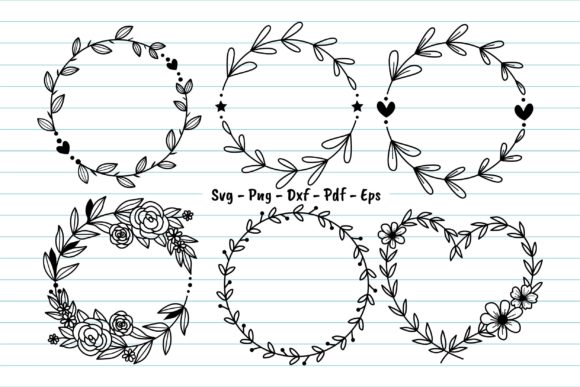
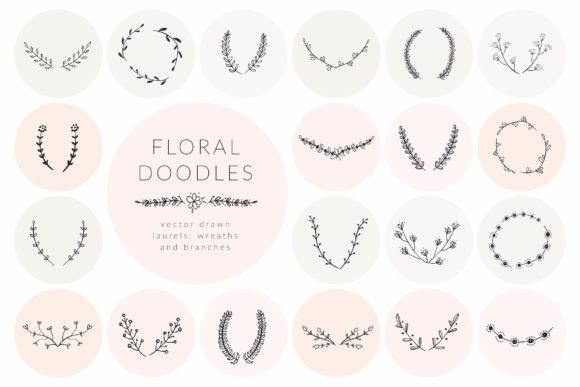
When I first opened the folder for Hand Drawn Floral Doodles Vol.4. Laurels, I didn't just see a collection of graphics; I saw potential. As someone who has spent years translating digital illustrations into physical stitched goods, my initial reaction is always cautious but hopeful. This kit is described as being filled with lovely hand-drawn floral doodle illustrations, and it promises to give lots of inspiration for future branding projects. The fact that the kit is made up of 20 files suggests a robust library rather than a single-use asset.
The mood here is distinctly organic and approachable. Unlike rigid, geometric vector art that often feels cold when stitched, these laurel designs carry a sketch-like personality. They feel like they were drawn with a pencil on textured paper before being digitized. For an embroidery designer, this translates to designs that breathe. They are not stiff or overly corporate. Instead, they offer a whimsical charm that fits perfectly with the current trend toward handmade authenticity in the craft business world.
From Screen to Stitch: A Real-World Scenario
Let's talk about how this actually plays out in a real project. Imagine you are preparing a custom embroidered tote bag for a local boutique client who sells artisanal soaps. You need something that screams "handmade" without looking messy. That is where Hand Drawn Floral Doodles Vol.4. Laurels becomes incredibly valuable.
I ran a quick mental simulation of stitching one of these laurel motifs onto a heavy canvas tote. The loose, flowing lines of the doodle style would catch the light beautifully if executed with high-quality variegated threads. The design doesn't demand perfection; it invites imperfection, which is exactly what customers want when they buy from Etsy sellers or small shop owners. It transforms a standard tote bag into a personalized gift that feels curated and thoughtful.
However, the transition from a digital file to a finished product requires strategy. If you are planning to use this for commercial embroidery on sweatshirts or baby clothes, you have to consider the fabric texture. These illustrations rely on clean lines to maintain their visual appeal. On a fuzzy fleece sweatshirt, those fine details might get lost unless you adjust your stitch density. But on a smooth cotton apron or a crisp pillow cover, the design shines. It creates a level of professionalism that elevates the perceived value of the item, making buyers trust the quality of your work immediately.
Where This Design Excels and Where to Be Careful
Hand Drawn Floral Doodles Vol.4. Laurels is versatile, but it is not a magic bullet for every situation. Understanding its strengths and limitations is key to avoiding costly mistakes. In terms of performance, this embroidery design works best on stable fabrics. The natural flow of the floral elements makes it ideal for decorative accents on kitchen towels, holiday embroidery on napkins, or creating unique patches.
For the creative entrepreneur selling digital products, these graphics serve as excellent assets for printable mockups. You can place them on t-shirt templates or cap previews to show clients exactly what the final product will look like. The "doodle" aesthetic pairs exceptionally well with handwritten fonts, allowing you to build a cohesive brand identity across your entire product line.
Conversely, there are areas where you must exercise caution. If you are working with small hoop sizes, be wary of the intricate corners of these laurel wreaths. Tiny lettering or very dense stitch areas within a small space can lead to puckering or thread breaks. Similarly, stretchy fabrics like jersey require a stabilizer that matches the elasticity of the material; otherwise, the design may distort after washing. Dark fabrics present another challenge. While you can certainly stitch over dark backgrounds, the contrast between the thread colors and the fabric is critical. If the original file does not account for underlay stitches specifically for dark materials, the design might look muddy rather than vibrant.
Curved surfaces like caps are also tricky. While the design looks great flat, wrapping a complex floral doodle around a curved brim requires precise digitizing techniques. If the file provided is not optimized for curved surfaces, you may end up with gaps or overlapping stitches that ruin the visual continuity of the laurel pattern.
Practical Designer Notes for Execution
Before you commit to a full production run or start selling these items, there are several technical steps you must take. First, test the design on scrap fabric. This is non-negotiable. Use the same thread colors you plan to sell with and check the stitch density. High-density fill stitches can make a fabric stiff and uncomfortable, especially for baby embroidery or soft apparel. If the design feels too rigid, you may need to reduce the density or switch to a lighter satin stitch technique.
Inspect the small details closely. Hand-drawn styles often contain tiny loops and flourishes that can disappear if the machine tension is off or if the needle is dull. Review the stitch count if available, though many modern files rely on intelligent density adjustments. Confirm your hoop size early on; some of these 20 files might be large compositions that won't fit in a standard 4x4 hoop, requiring a multi-hoop workflow.
Thread color selection is paramount. Since this is a graphic illustration, the choice of thread can change the entire mood. Black thread on white fabric offers high contrast and sharpness, while pastel threads on cream fabric create a softer, more romantic look. Always compare light and dark fabric backgrounds in your mockups before cutting any actual stock. Don't forget to use proper stabilizer. For these detailed illustrations, a cut-away stabilizer is often safer than tear-away, as it provides long-term support and prevents the design from shifting during frequent washing.
Impact on Brand and Customer Trust
The right design asset does more than just decorate a product; it builds trust. When a customer sees a well-executed Hand Drawn Floral Doodles Vol.4. Laurels on a finished product, they perceive the maker as skilled and detail-oriented. This recognition is vital for Etsy sellers and craft fair vendors. A sloppy stitch job can undermine even the best product idea, but a clean, well-placed embroidery design signals quality.
Furthermore, these graphics help with brand consistency. If you are building a boutique product line, using a cohesive set of laurel illustrations allows you to create a recognizable visual language. Whether it is on a tag, a label, or the garment itself, the design reinforces your brand story. It tells the buyer that you care about the aesthetics and the experience of receiving the package.
Ultimately, Hand Drawn Floral Doodles Vol.4. Laurels is a tool for the serious maker. It is not just a clip-art image; it is a foundation for a professional embroidery project. By understanding how it behaves on different fabrics, respecting its technical requirements, and applying it thoughtfully to your custom apparel or personalized gifts, you can turn a simple digital file into a high-value commercial embroidery piece. Just remember to check the licensing terms before selling finished items or digital products, ensure your machine settings are dialed in, and always prioritize the tactile quality of the finished product.